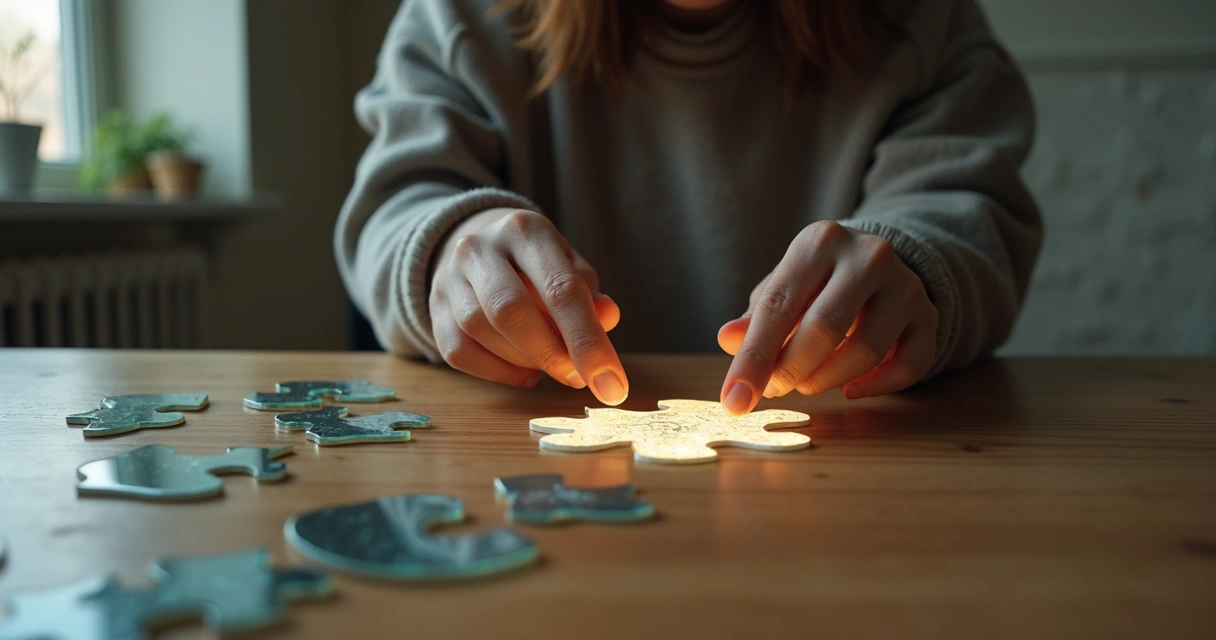

Family ties shape us, often in ways we do not see. There is something almost silent, yet remarkably strong, that binds us to the people we come from—a kind of hidden contract. We call it unconscious loyalty. Many of us feel its pull without even realizing it, and it can shape our choices, relationships, and even our sense of who we are.
What is unconscious loyalty?
Unconscious loyalty is an invisible bond to our family’s stories, beliefs, and wounds. It usually forms in childhood. We take on emotional duties, copying behaviors or secretly agreeing to suffer in ways similar to the generations before us.
This is not about open promises. It is about the silent agreements we make deep within ourselves:
I must stay close to their pain, even if it hurts me.
We have seen people limit their own success because someone in their family was not allowed to thrive. Or keep choosing unstable partners, reflecting old stories that “love always means drama.” These patterns often have their roots in unconscious loyalty.
Why do we create unconscious loyalty?
In our experience, it usually happens because we want to belong and feel safe. There’s a natural, powerful wish to honor our parents or to ‘make up’ for what others in the family went through. Sometimes, if a family member suffered loss, exclusion, or shame, we adopt these stories unconsciously. These actions express love in a way that sacrifices our own balance.
Children want to be included, wanted, and loyal to their tribe—even at high personal cost.
Over time, the loyalty can become so well hidden, so blended with our sense of self, that questioning it feels like betraying our origins.
How can you spot unconscious loyalty in your own life?
We find that it does not show up in just one way. Most often, it lurks in repeated life difficulties, emotional responses, or family attitudes that feel "normal," but keep causing pain. There are clear signs, and knowing them helps us recognize what is happening.
- Repeated self-sabotage: Do we keep blocking ourselves from happiness, love, or success?
- A sense of burden: Do we feel responsible for someone else’s feelings, choices, or happiness?
- Persistent guilt: Does feeling good bring up guilt, as if we’re leaving someone behind?
- Difficulty separating: Is breaking away or being different from family emotionally hard?
- Replicating family patterns: Do we end up in careers, relationships, or struggles just like those we've seen at home?
- Unexplained sadness or anger: Do we carry heavy emotions that don’t seem to have a clear source in our own experiences?
When something in your life does not make sense, but echoes an old family situation—that could be unconscious loyalty at work.
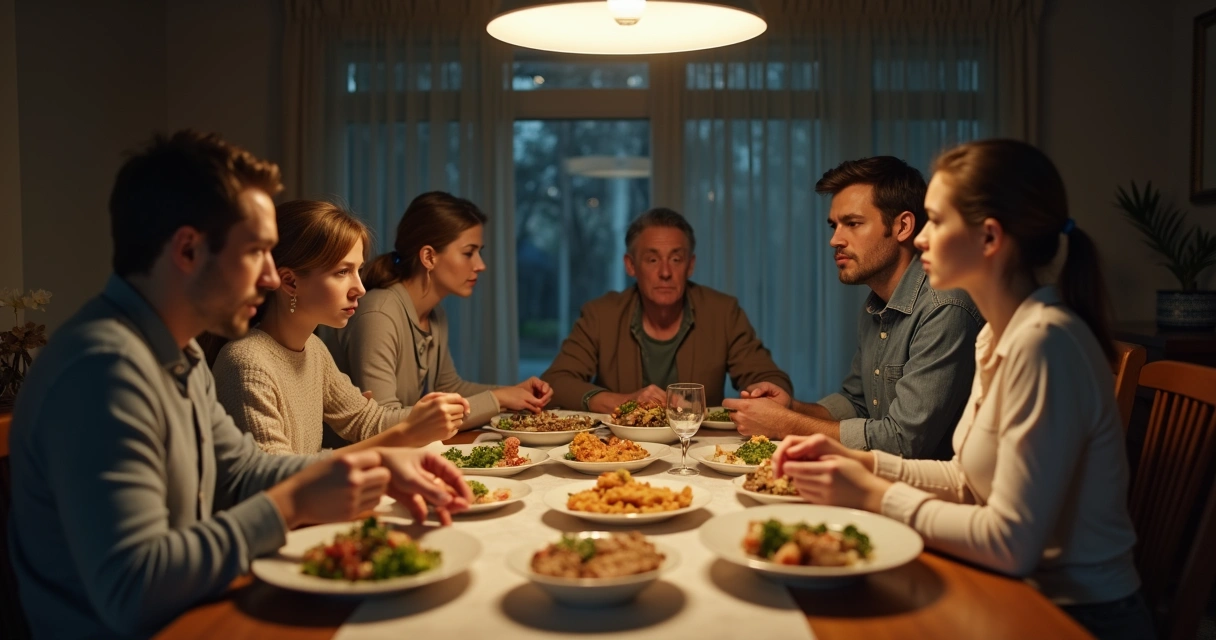
Where does unconscious loyalty often begin?
We often see that it grows in subtle moments:
- When parents talk about sacrifices they made
- When a parent is emotionally absent, and a child tries to take care of them
- If family stories keep repeating about certain people being “betrayers” or “sufferers”
- When there is grief, trauma, or a loss that is never fully spoken about
- When family beliefs are passed on like unbreakable rules
In these moments, children start to carry what is not truly theirs. It may be a belief such as “I must never be happier than my parents,” or “It’s not right to leave people behind.”
How to become aware of unconscious loyalty?
Bringing unconscious patterns to light requires gentle honesty. In our experience, these steps help:
- Notice repetition in your life. Are there themes or problems that repeat, even when you try to choose differently? Pay attention to the feelings and stories that come up when you face these moments.
- Ask about family stories. What do you remember about your parents, grandparents, and their lives? Sometimes, a pattern started long before us. Listening to these stories without judgment can reveal what we have unconsciously taken on.
- Reflect on your own emotions. When you feel stuck, overwhelmed, or guilty, try to pinpoint when it started. Is it from your own life, or does it echo someone else's pain?
- Listen for "hidden rules". Do you find yourself thinking “In this family, we don’t talk about money,” or “We don’t show weakness”? These can be clues.
- Watch for 'either-or' thinking. Feeling that you have to choose between belonging to your family and being yourself can signal an unconscious loyalty at work.
Unconscious loyalty makes us choose family unity over personal growth—often without realizing it.
What can help break the cycle?
We have found that awareness is the first step. If we can see the pattern, we can begin to choose something different. With kindness to ourselves and our family of origin, we can set ourselves free from old agreements that do not serve us anymore.
Releasing unconscious loyalty does not mean rejecting the family, but rather letting everyone—including ourselves—be more whole.
These actions support healthy change:
- Talk to someone trusted about your patterns and emotions
- Write down recurring life stories or inner rules and notice their effect on your choices
- Practice self-compassion instead of judgment when you notice loyalty patterns
- Consider gentle rituals to honor family history, while affirming your right to live differently

Recognizing these hidden influences allows us to break free and take back our right to live with coherence and integrity.
Conclusion
Unconscious loyalty is a powerful force that operates in the shadows of family life. We have seen how it can shape beliefs, limit choices, and keep old pain alive across generations. By becoming curious and compassionate about our own patterns, we open the door to healing—not just for ourselves, but often for those we love as well.
Breaking free does not mean cutting ties. It means honoring the love and suffering that brought us here, and choosing to write our own story with presence and responsibility. Only then do we truly become the authors of our lives.
Frequently asked questions
What is unconscious loyalty in families?
Unconscious loyalty is a deep, invisible bond that makes a person repeat the patterns, emotions, or suffering of their family—often without realizing it. It’s a way of belonging that leads people to unconsciously share in their family’s history, even if this means sacrificing their own well-being or happiness.
How to spot unconscious loyalty signs?
We think the main signs include repeating unwanted patterns, carrying guilt or shame that does not feel personal, feeling unable to make different choices from your family, and a sense of emotional burden or responsibility for others. Life circumstances, emotions, or relationships that copy family patterns, especially in painful ways, can point to unconscious loyalty.
Can unconscious loyalty harm relationships?
Yes, unconscious loyalty can lead to self-sabotage, resentment, or unbalanced relationships. When we carry what is not ours, we may find it hard to set healthy boundaries or make choices that support our true needs. Relationships can suffer from tension, misunderstanding, or repeated conflicts linked to old family patterns.
How to break unhealthy family patterns?
Breaking unhealthy patterns starts with awareness. We suggest noticing repeated problems, reflecting on family history, questioning old beliefs, and practicing self-compassion. Sometimes, talking to someone you trust or using journaling can help create space for new stories and choices. The key is to act with kindness, not harshness, towards both yourself and your family.
Why do we develop unconscious loyalty?
We develop unconscious loyalty because, as children, we deeply need to feel we belong and are accepted. This leads us to unconsciously copy the feelings, rules, or limits of our family. It is a form of love and protection, even though it may later become limiting or painful.