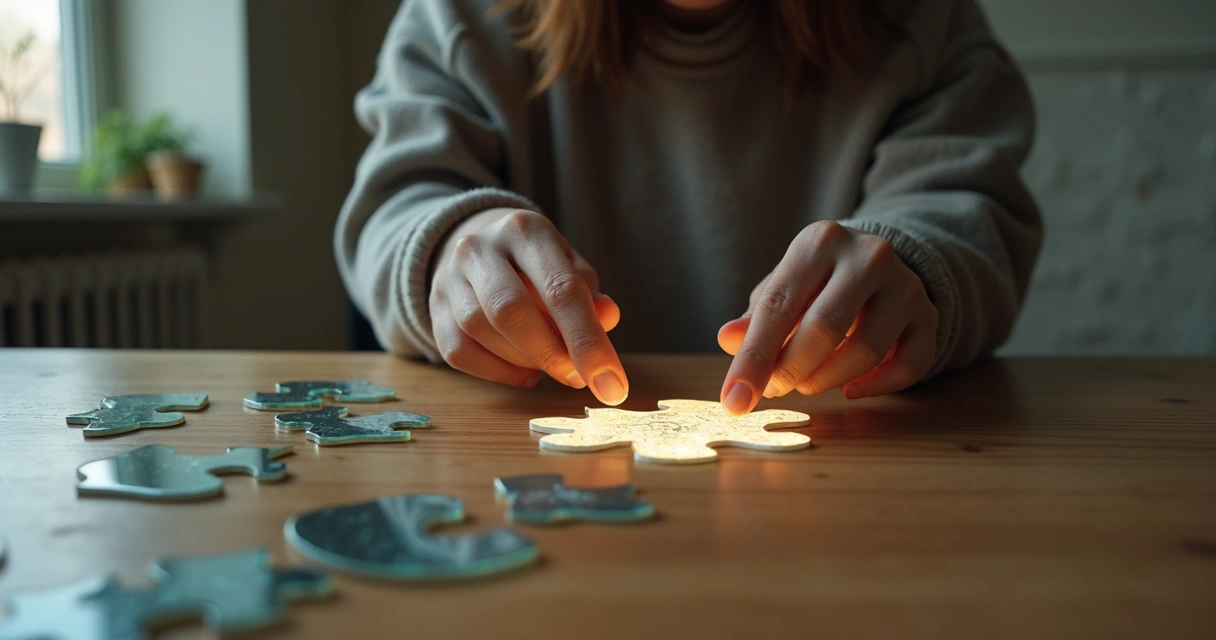

We often hear about the value of connection in human relationships. We crave closeness, understanding, and a sense of belonging. But there's a line—sometimes almost invisible—where connection can cross into something else. That "something else" is enmeshment. In our experience, learning to distinguish these two can be life changing.
What do we mean by connection?
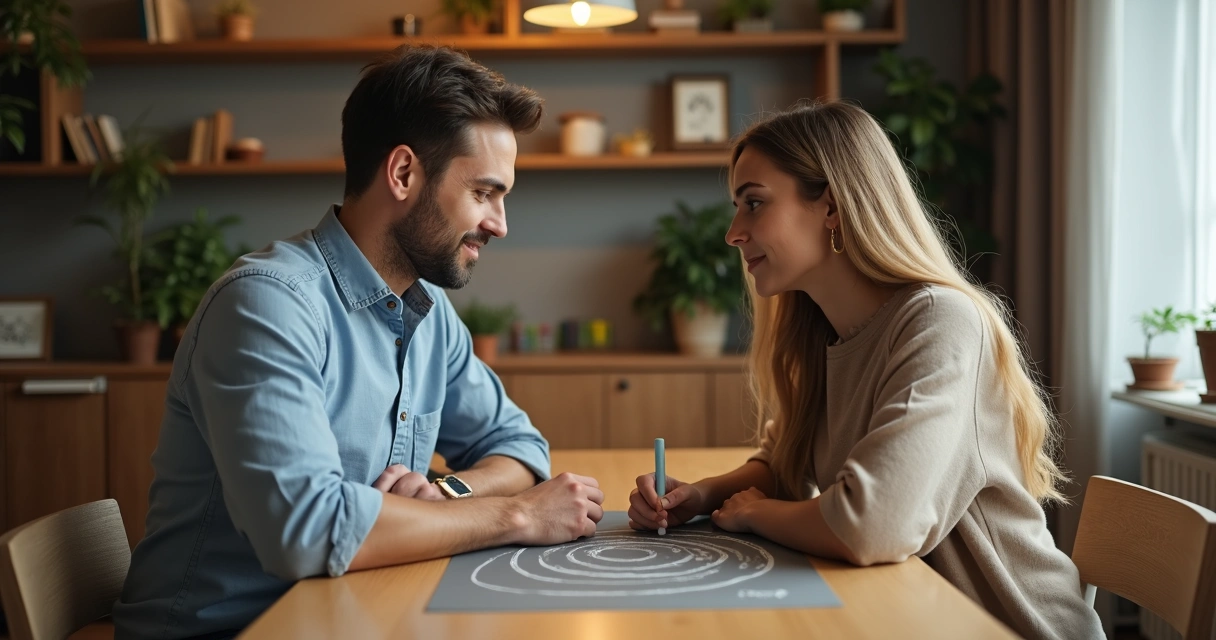
Connection, at its best, is about relating to others while still honoring our own individuality. We share, we empathize, and we support, but we do not disappear into each other. In these relationships, both people can grow and move through life together, yet still maintain a sense of self.
Healthy connection is rooted in mutual respect, emotional presence, and clear boundaries. When we connect with others in this way, we feel seen, valued, and safe enough to be genuine.
What is enmeshment?
Enmeshment looks similar to connection on the surface, but it is quite different underneath. Instead of two independent people choosing to share space, enmeshment creates a dynamic where personal boundaries dissolve. In enmeshed relationships, our emotions, needs, and even identities can become confused with those of another person.
We lose track of where we end and someone else begins.
Enmeshment is not closeness—it’s a loss of boundaries. Emotional responses and behaviors often become entangled, which can stifle development and freedom for both individuals involved.
How can we tell connection from enmeshment?
This is not always easy. We have found that the line between healthy closeness and unhealthy fusion can be subtle, especially if our personal history normalizes blurred boundaries.
- Autonomy: Connection allows for independence and individuality, while enmeshment discourages personal expression.
- Emotional clarity: When connected, we recognize which emotions are ours. Enmeshment confuses our feelings with others', making it hard to separate what we truly feel from what others feel.
- Responsibility: In connection, we understand what is our responsibility and what belongs to someone else. Enmeshment blurs this, creating unwritten rules about sharing or rescuing feelings, problems, or decisions.
Enmeshment often develops when boundaries are unclear, needs are unspoken, and personal space is not respected.
Why is the distinction so subtle?
People naturally want to feel close, and many of us were raised in environments where over-involvement was confused with love. Sometimes family cultures expect emotional loyalty that asks us to give up our own needs.
Most of us start learning about boundaries only when we realize something feels "off"—even if we lack the language for it. For example, someone might feel drained by a parent or partner who expects to be part of every aspect of their life or wants every feeling to be shared immediately.
What does connection look like in practice?
In relationships marked by connection:
- We feel free to express differences without fear.
- Decisions are made collaboratively, not imposed or demanded.
- We know how to say "no" and hear "no" without guilt.
- Each person’s feelings are valued, but not adopted by the other as their own.
- Space for individual interests, needs, and growth is respected.
Healthy connection feels energizing, not exhausting. We find ourselves inspired by closeness, not depleted by constant emotional merging.
What are the markers of enmeshment?
Enmeshment creeps in when:
- We feel responsible for someone else’s feelings, choices, or moods.
- Disagreement feels dangerous or disloyal.
- There is little privacy or personal space—even thoughts and feelings seem monitored.
- We struggle to identify our wants and needs apart from the other’s.
- One person’s distress quickly becomes everyone’s distress.
Enmeshment does not allow room for individuality: what is “mine” and what is “yours” gets fused.
What drives us toward enmeshment?
There are many reasons—sometimes personal, sometimes cultural or generational—that can nudge us toward enmeshed patterns. We have observed that unmet needs for safety, love, and acceptance play a strong part, as does early conditioning that teaches us our worth depends on pleasing or absorbing others.
Fear is often at the root: fear of abandonment, of conflict, or of losing a sense of closeness. If a child must be everything a parent wants to feel loved, or a partner must always agree to avoid conflict, enmeshment becomes a survival strategy.
But the cost is high.
To keep others close, we lose ourselves.
How to move from enmeshment to genuine connection?
This process starts with awareness. We encourage honest self-inquiry:
- Where are our limits unclear?
- Do we know our own needs and feelings?
- Are we acting from guilt or fear more than from choice?
If we see these patterns, the next step is gradual change. Small shifts can make a difference, such as:
- Pausing before responding to someone else’s feelings or requests.
- Practicing saying “no” kindly and holding space for discomfort.
- Noticing and naming our own emotions before automatically joining in another’s.
- Asking ourselves if a responsibility truly belongs to us.
How do boundaries support real connection?
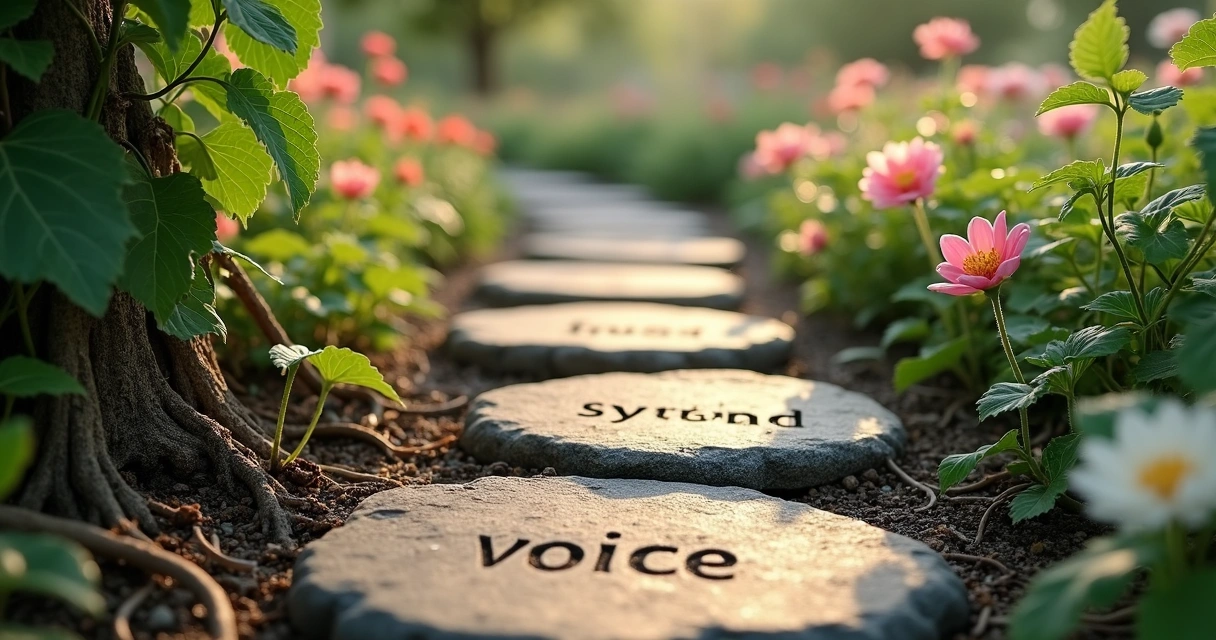
Boundaries are not walls. They are agreements—sometimes spoken, sometimes understood—about what is okay for us and what is not.
When we respect our own boundaries and those of others, relationships become safer and more honest for everyone involved.
Clear boundaries make room for both people to be authentic, leading to deeper trust and care. By practicing self-responsibility, we allow love to be shared, not demanded or taken at the expense of our wellbeing.
We have found that the move from enmeshment to connection can feel uncomfortable in the beginning. Old habits may protest. Guilt or worry might arise. Yet with courage and patience, a new kind of closeness grows—one that honors both togetherness and individuality.
Conclusion
The difference between enmeshment and connection can shape our entire experience of relationship. While both arise from a longing for closeness, only connection honors our whole self. Learning to notice, name, and shift away from enmeshment is a gentle but powerful step toward more mature and fulfilling relationships.
When we nurture connection with boundaries, we step into more honest and meaningful ways of being together.
Frequently asked questions
What is enmeshment in relationships?
Enmeshment in relationships means that personal boundaries are blurred or absent, making it difficult for individuals to separate their feelings, needs, and identity from others. It often leads to confusion, codependency, and struggles with autonomy.
How is connection different from enmeshment?
Connection honors individuality while fostering closeness, allowing each person to express and experience their true self. Enmeshment, on the other hand, leads to a loss of self by merging emotions and identities to such a degree that differentiation is lost.
What are signs of unhealthy enmeshment?
Unhealthy enmeshment can look like feeling responsible for another’s happiness, constant guilt when setting limits, difficulty knowing your own needs, fear of disagreement, and the sense that your moods are tied to someone else’s. Lack of privacy and emotional independence is also a sign.
How can I set better boundaries?
We suggest starting by recognizing your own feelings, values, and limits. Practice communicating these with respect, even in small ways. Give yourself permission to say “no” and cultivate self-awareness to notice when you are overextending to please or rescue others.
Can therapy help with enmeshment issues?
Yes, therapy can be supportive for addressing enmeshment, helping to identify patterns, build self-awareness, and practice new boundary-setting skills in a safe environment. Support from a therapist can give space for personal growth and healing of old relational dynamics.