
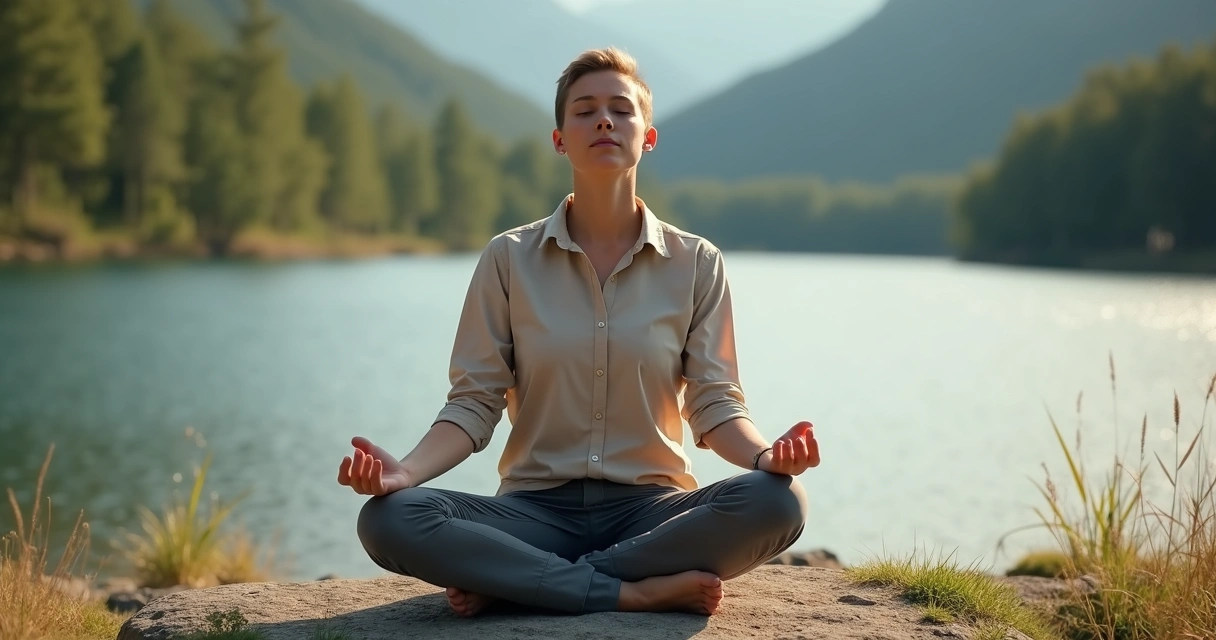
When we begin the journey of self-knowledge, body awareness is not always the first stop. Often, we look to thoughts, memories, or even philosophical ideas to better understand ourselves. However, we have come to notice a simple truth—our bodies are not silent. They are speaking every day, through tension or rest, gestures or fatigue.
In our bodies, our history lives before words.
Why body awareness sits at the core of knowing ourselves
Body awareness is the conscious attention we give to physical sensations, movements, and states in our bodies. This includes awareness of our breathing, posture, muscle tension, heartbeat, or small shifts in feeling during different moments.
Our bodies register what our minds sometimes cannot face or express. Each emotion, stress, joy, and unresolved story finds a place to land somewhere in our muscles, breath, and internal rhythms.
When we notice our bodies, we open new doors to understand:
- Our automatic emotional reactions
- Subconscious protective patterns
- Signals of unspoken needs or boundaries
- The shifting of moods without clear mental cues
We see this, for example, in the way our shoulders tense when a sensitive subject comes up, or how breath shortens in moments of anxiety. When we tune into these signals, we start to decode the language of our deeper, non-verbal self.
The bridge between emotions and the body
Sometimes, we try to solve all our dilemmas with words or logic. But how many times has simple reasoning failed to bring relief or clarity? Here lies a fascinating discovery: emotions and bodily sensations are deeply linked.
We often feel before we know.
Anxiety might announce itself as tightness in the stomach. Calm moments might come with a sense of openness in the chest. Our experience is colored by these physical sensations, but unless we pay attention, we might miss their guidance. Recognizing emotional states as bodily sensations helps us respond from a place of awareness, rather than just react by habit.

The stories our bodies hold
In our experience, old emotional patterns can persist in the body long after the original event is forgotten by the mind. This is why a familiar feeling might suddenly arise in certain situations, even when “nothing is wrong.” Our bodies remember, even if our memories do not.
These are some ways the body can carry our emotional history:
- Muscle tension or pain in specific areas when under stress
- Noticeable heart rate changes in social situations
- Clenching of jaws in conversations about past events
- Changes in breath when faced with tough decisions
By quietly noticing these sensations, we discover layers of ourselves we might never reach with thinking alone.
Listening to the body often reveals truths the mind avoids.
How body awareness supports conscious choice
Whenever we choose to pause and sense our bodies, we give ourselves a chance to act consciously instead of following automatic reactions. This moment of pause can be the difference between repeating a pattern and creating a new possibility.
Body awareness puts us in touch with the present moment, the only place where meaningful change happens.
From this place, we can meet our experience with honesty. For example, by noticing racing thoughts and shallow breathing during conflict, we realize the need for a break before responding. Tuning into a racing heartbeat before making a risky choice helps us consider whether fear is guiding or warning us.
Everyday practices to build body awareness
We have found that moving from concept to daily practice is the key step. Here are a few approaches to support body awareness:

- Body scan: Taking a few minutes to notice sensations from top of head to toes, without judgment.
- Breathing awareness: Paying attention to the flow of breath, how it moves in the chest and belly.
- Movement practices: Walking slowly, yoga, or stretching with the intention of feeling each part move.
- Touch and grounding: Placing feet flat on the ground or feeling the support of a chair, connecting to the present through the senses.
These practices can be brief, done at any moment of the day. Even a single conscious breath can be the beginning of awareness.
Living whole: connecting body, mind, and meaning
When we put body awareness at the center of self-knowledge, we notice a shift. We see ourselves not as disconnected thoughts and emotions, but as a living system where every part speaks. Our maturity grows not from avoiding difficult sensations, but from learning to stay with them and understand what they tell us.
Body awareness is a bridge that connects our history, emotions, and choices, bringing clarity for living more consciously.
In our own reflection, maturity is not about never feeling discomfort, but about knowing what we feel, why we feel it, and what we choose to do next.
Conclusion
Self-knowledge is a path of deep listening, and our bodies are wise companions on this path. By practicing body awareness, we create space for clarity in feeling, thinking, and choosing. This conscious connection invites us to meet life as it is—present, authentic, and true to who we are in every moment.
Frequently asked questions
What is body awareness in self-knowledge?
Body awareness in self-knowledge is the mindful recognition of sensations, movements, and signals within our bodies. It connects our physical experience with emotional and mental processes, giving us insights into our patterns and guiding us toward intentional choices.
How can I improve my body awareness?
You can improve body awareness by regularly practicing focused attention to your breathing, posture, and movements. Simple methods include daily body scans, mindful walking, or conscious stretching. The key is gentle observation, free from judgment.
Why is body awareness important?
Body awareness is important because it helps us recognize the signals our bodies send before our minds form thoughts about them. This awareness guides us to understand emotional states, habitual reactions, and unspoken needs, supporting healthier choices and self-understanding.
What are the best body awareness exercises?
Some effective exercises for body awareness include:
- Body scans, where you observe sensations from head to toe
- Mindful breathing, focusing on each inhale and exhale
- Slow, mindful walking or gentle movement
- Yoga or stretching with attention to muscles
- Grounding techniques, such as feeling your feet on the floor
Is body awareness linked to mental health?
Yes, body awareness is linked to mental health, as the state of our bodies often influences our emotions and thoughts. Regular body awareness practices have been shown to reduce stress and improve emotional regulation, which supports mental balance.