

We often think of self-knowledge as a process of the mind—of thinking, analyzing, and understanding ourselves through thoughts and reflection. Yet, there is something fundamental that is easy to overlook: our bodies. The body speaks to us constantly, offering information in a language that requires presence and sensitivity to decode. By tuning into sensation, we unlock a powerful path to emotional clarity and deeper self-knowledge.
The body’s role in self-awareness
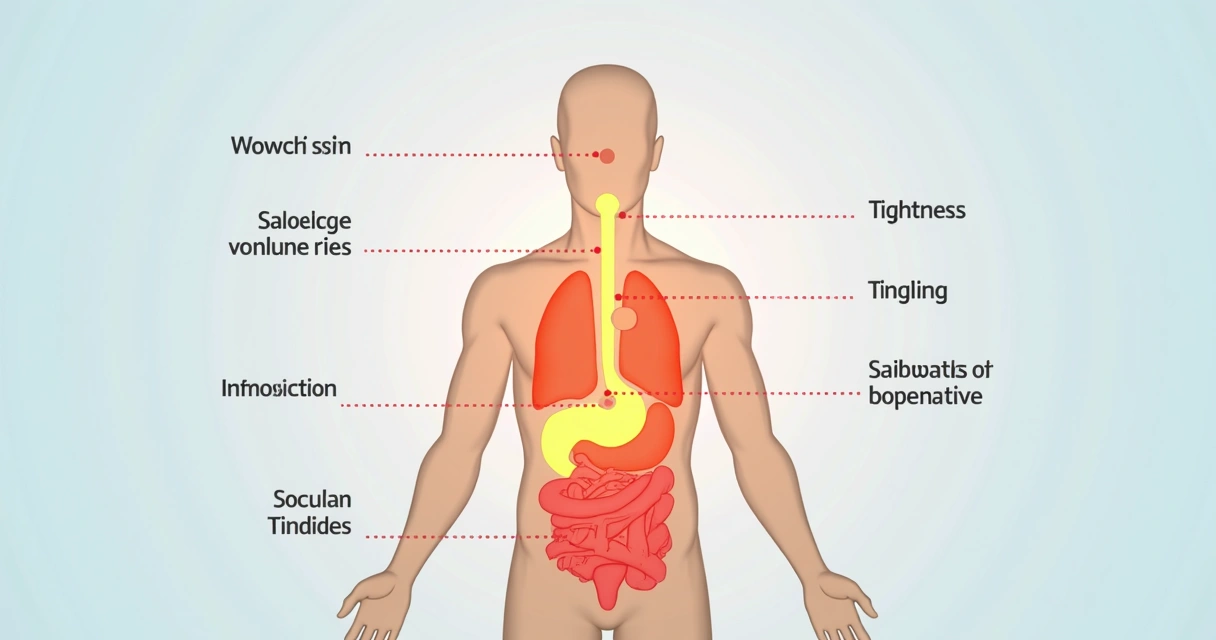
We are not just minds floating above physical forms. We are embodied beings, and our sensations form the ground on which all experience stands. Every emotion begins as a sensation: a tightness in the chest, a warmth in the belly, or a tingling in the hands. These signals carry the first clues to what we are feeling—even before a single thought arises.
Awareness begins in the body.
In our experience, ignoring these signals can lead to confusion. Emotional states become mixed up or suppressed, making self-understanding blurry. When we learn to sense, name, and stay present with body signals, much changes. We stop reacting blindly and start responding with awareness.
What are sensations telling us?
Not every sensation is easy to interpret. Some are obvious, like the racing heart before a presentation. Others are subtle—a heaviness, or a hollow feeling in the stomach. It helps to think of sensation as the "raw data" of emotion. From years of study and working with people, we notice clear patterns between body states and emotional patterns.
- Tightness and heat often signal anger or frustration.
- Fluttering in the stomach sometimes reflects anxiety or excitement.
- Heaviness in the limbs may coincide with sadness or fatigue.
- Openness in the chest, softness of breath—these match calm, acceptance, or joy.
The key is that sensations are neither good nor bad—they are the foundation for true clarity. Learning to notice and name them in the present moment offers access to honest self-understanding.
Why do we avoid our own sensations?
Many of us grow up being taught to ignore or override what we feel. Maybe it’s the message to "be strong," to "not cry," or to "pull ourselves together." Over time, we lose touch with the direct language of the body. Instead, we rush into thinking or try to distract ourselves.
In our view, this creates a gap. We become strangers to our own internal world. When we bypass sensation, we bypass emotion—and with it, the possibility of clarity and conscious choice.

How sensation leads to emotional clarity
So, how does this work in practice? Emotional clarity grows the moment we start feeling, rather than thinking about feeling. This often means pausing, breathing, and opening our attention to the nuances of the body. At first, sensations may seem chaotic, but with patience, patterns emerge.
- When we name a sensation ("There is tightness in my chest"), we become more present and less reactive.
- When we stay with the sensation—without judging or pushing it away—deeper emotions often surface and soften.
- Tracking sensations over time shows us our emotional patterns and triggers.
Sensation is the doorway; clarity is the room.
On many occasions, we have seen someone discover that beneath irritation is actually sadness, or behind anxiety is a deeper longing for safety. The body quietly points the way, if we learn to listen.
Practices for embodied self-knowledge
There are simple and effective ways to come back to sensation. None require specialized tools, just willingness and some patience with ourselves. Here are steps we often suggest:
- Pause and breathe. Whenever a strong feeling arises, stop for a moment. Notice your breath as it moves in and out.
- Scan your body. Quietly bring attention from the top of your head to your toes. Where is there tension, heat, tingling, or numbness?
- Name what you feel. Instead of judging, simply say to yourself, "Tightness in my shoulders" or "Warmth in my cheeks."
- Be curious, not controlling. If something is uncomfortable, resist the urge to change it right away. Allow sensation to be as it is, for a few breaths.
- Notice what changes. Often, sensations move or shift. Sometimes, naming releases them; sometimes, they linger but lose their charge.
This approach does not promise a life free from difficulty. Instead, it gives us a real, honest way to face our experience as it is—minute by minute.
Common misunderstandings
People often wonder, “If I focus on sensation, won’t I just get stuck in uncomfortable feelings?” From our perspective, the answer is no—if presence is gentle and without force. Sensations pass when seen and felt, much like clouds moving across a sky. Another question: “How do I distinguish sensation from imagination?” Simple—sensation is what you feel right now, not what you think.
The body never lies. Sensation gives us reality in its purest form.
Presence, responsibility, and change
With embodied self-knowledge, presence grows. We begin to notice our choices in real time. Instead of getting lost in old patterns, we recognize them in the body—sometimes before they unravel emotionally.
Sensation guides us back to ourselves.
By continuously coming back to bodily feeling, we build a steady inner anchor. We can then act with greater intention, responsibility, and care—for ourselves and the people around us.
Conclusion
The language of sensation is the body’s way of calling us into the present. Through attention, patience, and gentle curiosity, we gain honest clarity about what we feel and why. In our experience, sensation shows us the path home to ourselves.
Leaning into sensation is not about escaping pain, but about making peace with our full experience—so we can live more aligned, meaningful, and free.
Frequently asked questions
What is embodied self-knowledge?
Embodied self-knowledge is the process of tuning into body sensations to understand and connect with our emotions. It is about using physical signals as the entry point to self-awareness, rather than relying only on the mind or thoughts.
How does sensation help emotional clarity?
Sensation provides direct information before thoughts form, helping us understand what we are actually feeling. When we focus on bodily signals, such as tightness or warmth, we begin to see emotional patterns more clearly and respond more wisely.
How can I practice embodied self-knowledge?
You can practice by pausing regularly, scanning your body, noticing and naming sensations, and staying with what you feel without judging it. This builds presence and gives you clarity about your emotions.
Is embodied self-knowledge worth trying?
Many find that embodied self-knowledge leads to greater calm, better decision-making, and deeper awareness. It helps us relate to our emotions and patterns more honestly and kindly.
What are examples of body sensations?
Examples include tightness in the chest, fluttering in the stomach, warm cheeks, tension in the neck, or tingling in the hands. All these are physical experiences that can signal different emotions.