

Words are everywhere. We use them to label the world around us, share our feelings, and speak to ourselves when no one else is around. Yet, we often forget that the language we use carries power well beyond simple communication. It quietly shapes how we feel, see ourselves, and respond to life. In our experience, how we talk about our emotions is not just a reflection of what’s inside—it actually builds and changes how we experience those emotions.
The invisible thread: Language and emotion
Most days start with inner dialogues. Sometimes they are gentle: “I’m tired, but I can do this.” Sometimes they sound harsh: “Why do I always get this wrong?” Rarely do we stop to ask:
Are these words building our sense of self, or breaking us apart?
We see language as the “glue” between raw emotion and conscious self-perception. Researchers have shown that when we add words to our feelings, we do more than describe what’s happening. We give structure to our inner experience and, with this, shape how we feel about ourselves.
From words to feelings: The loop of self-perception
Let’s tell a simple story. Imagine waking up late. Heart pounding, breath shallow, you think, “I’m anxious. I can’t handle this.” Instantly, those words take root:
- They amplify the emotion (“anxious”) instead of soothing it.
- They shape your self-image (“I can’t handle this”).
- They direct what you’ll do next (rush, snap at someone, give up on the morning).
What if instead, we framed it as, “I feel rushed and worried, but I’m able to find my way through”? The events remain the same, but our emotional response softens, and our view of ourselves shifts.
The language we choose each day doesn’t just label our emotions, it creates part of our emotional reality.These daily micro-moments build over time, crafting our patterns of self-perception.
Why labels matter so much
Think about a time when you felt a “mix” of emotions. Did you call it sadness, frustration, or anger? The word you reach for is often shaped by habit, upbringing, even culture. The label you put on your state not only changes what you believe you feel, but can also influence how long it lasts. From our perspective, there are two main paths in the labeling process:
- Self-definition: Consistent use of certain labels ("I’m always so nervous") makes these traits feel permanent, turning passing states into fixed identities.
- Emotional granularity: When we use more specific language (“I feel disappointed, not angry”), we gain better emotional awareness and more choice over our response.
When we are limited in the words we use, our inner world feels fuzzy and harder to manage. The broader our emotional vocabulary, the wider our window into internal experience.

Internal dialogues and emotional patterning
We all talk to ourselves. Sometimes we barely notice the words. Other times, they play on repeat, echoing beliefs planted long ago. These internal dialogues create emotional patterns that, over days and years, shape our self-perception.
- A self-critical script (“I always mess things up”) can make shame or doubt stronger, coloring not only this moment but future ones as well.
- A compassionate script (“Everyone struggles sometimes, I’m learning here”) gives us an anchor in times of distress.
- Neutral, factual language (“I made a mistake on this project”) allows us to see a situation clearly and respond consciously.
We have found that when people become aware of their internal scripts, they hold more power to change their emotional responses and their relationship with themselves.
Culture, language, and emotional worldview
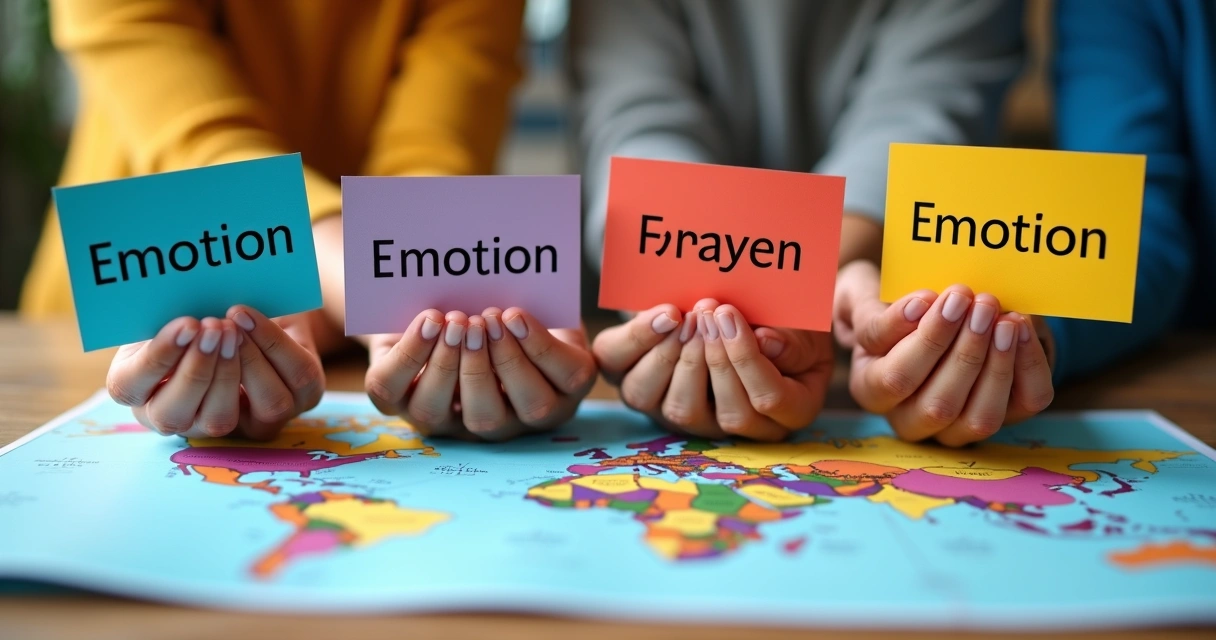
Language doesn’t just exist in our heads—it comes from the cultures and groups we grow up in. Each culture has unique words for emotions. Some words do not exist in other languages at all. For example, some cultures have special words for feelings that in other places are described with several words or go unnamed.
This means that the availability or absence of certain words actually shapes which emotions people notice, value, or ignore. It affects not just the inner experience, but also what is possible to share with others. Language creates boundaries—and possibilities—for how we understand ourselves.
Choosing our words, shaping our days
If this topic feels theoretical, we suggest trying a short experiment. Tomorrow, when a feeling arises, pause and give it a name. Go past the first label that springs up. Is it sadness, or disappointment? Is it anger, or feeling left out?
Once you have a label, notice what language you use next. Do you say, “I am anxious,” or, “I am feeling anxious right now”? That simple difference turns a label from an identity to an experience that can shift.
Every day, we can use conscious language to support a more flexible, compassionate emotional self-perception.Here are a few ways we see language shaping emotional self-awareness:
- Labeling experiences more specifically opens space for awareness and understanding.
- Describing emotions as passing (“I feel...right now”) instead of fixed traits gives us flexibility.
- Replacing harsh self-judgment with kind language softens inner criticism.
- Speaking out loud about our feelings (even to ourselves) reduces their charge and clarifies what’s really present.
Over time, as we change our language, we change our patterns—and our relationship with ourselves.
Conclusion
The language we use to describe and explain our emotions is more than words. It gives form to feelings, builds self-perception, and opens possibilities for how we relate to ourselves and others. Small shifts in language can have lasting effects on how we experience each day. By nurturing awareness of the words we choose, we can gently shape our emotional landscape, transforming automatic patterns into conscious choice.
Change your words, and you change your world.
Frequently asked questions
What is emotional self-perception?
Emotional self-perception is the process of recognizing, labeling, and understanding our own feelings and how they influence our sense of self. It includes both what we feel and how we describe those feelings to ourselves.
How does language affect my emotions?
The words we use to describe our emotions influence how we experience those feelings, their intensity, and how we respond. Language can either amplify emotions or help organize and soothe them. The more accurately we label emotions, the more choice we have in responding to them.
Can changing words change my mood?
Yes, changing the words we use—both in internal dialogue and out loud—can shape the intensity and duration of our emotions. For example, using gentle language or more precise emotion words usually leads to a calmer, more balanced mood.
Why do different languages feel different?
Every language has its own set of emotion words and expressions, reflecting cultural values and ways of understanding life. The presence or absence of certain emotion words in a language shapes what feelings are noticed, discussed, or ignored by its speakers.
How can I use language to feel better?
You can use language to support emotional well-being by:
- Naming your emotions more specifically.
- Describing feelings as temporary (“I feel...right now”).
- Choosing kind and non-judgmental words for internal dialogue.
- Speaking about your emotions with curiosity instead of blame.