

Stressful moments can leave us feeling lost, pressured, or even paralyzed. Our minds race. Our emotions run high. We might notice familiar patterns playing out—snapping at a loved one, making hasty choices, or avoiding hard decisions completely. Why does this happen? When stress overwhelms us, our ability to make conscious decisions is put to the test. Yet, it is precisely in these moments that turning inward with awareness can change everything.
We believe making conscious decisions under stress is not about being perfect or never feeling anxious. Instead, it is about choosing how we respond, even when challenged. We have developed a five-step approach to help anyone stay present, clear, and responsible—even in the middle of the storm.
Understanding stress and decision-making
Before we break down the five steps, let’s clarify why stress affects decision-making so powerfully. When our bodies sense a threat (real or imagined), they release hormones that prepare us for quick action. This “fight or flight” response pulls resources away from thoughtful, big-picture reasoning. That’s why, under stress, we might:
- Focus on immediate relief instead of long-term outcomes
- Miss subtle cues or information
- React from habit, rather than conscious intent
Learning to pause, observe, and redirect our energy can help us recover clarity and make aligned choices—no matter the situation.
The 5 steps to making conscious decisions under stress
1. Pause and ground yourself
Our first reaction to stress is usually action—or the urge to escape. We believe the most powerful first step is to stop. Before doing anything else, give yourself permission to pause.
Take a few slow breaths. Notice where you are, what you see and hear, and how your body feels. Even 30 seconds of mindful attention can disrupt automatic responses. We have seen that this short break helps us shift from reacting to responding.
“A pause is not passive. It’s the starting point for change.”
Try these simple grounding actions:
- Feel your feet on the floor
- Clench and release your fists
- Name three things you can see or touch
This makes space between you and your stress, allowing awareness to come online again.

2. Name what you feel and what’s happening
After pausing, aim to notice and name your inner state. Put words to what you sense—without judgment or shame. Are you scared, angry, sad, or something else? Is your heart racing, your muscles tense?
Now, expand your focus to the situation. What, exactly, triggered your stress? What are the facts here? Slow, honest labeling helps move experience from reaction to awareness.
We think of this step as the “map making” stage. By clearly naming emotion, body state, and context, we invite all parts of ourselves into awareness. This is different from over-thinking—all we’re doing is seeing what's present, both inside and outside.
3. Identify your immediate patterns and impulses
With awareness in place, old habits will become clearer. In our experience, stress often activates patterns we've replayed many times. These patterns could look like:
- Wanting to say “yes” to avoid conflict
- Shutting down or avoiding the issue
- Trying to control every detail
Pause and ask, “What do I usually do in situations like this?” or “What urge do I notice right now?”
Recognizing your pattern doesn’t mean blaming yourself. It’s about understanding your default mode, so you’re not ruled by it.
“Awareness of pattern is the key to new choices.”
4. Clarify what matters most right now
At this point, you may feel a sense of relief just from seeing your patterns. Now comes the shift: moving from autopilot to conscious intent.
Ask simple questions:
- What matters most in this situation?
- What values or relationships are at stake?
- How do I want to act, despite my stress?
This is the heart of conscious decision-making. Sometimes what seemed urgent becomes less so. Sometimes, we see that care, honesty, or courage are more meaningful than avoiding discomfort. Try to get specific—what would acting in line with your values look like for this exact choice?
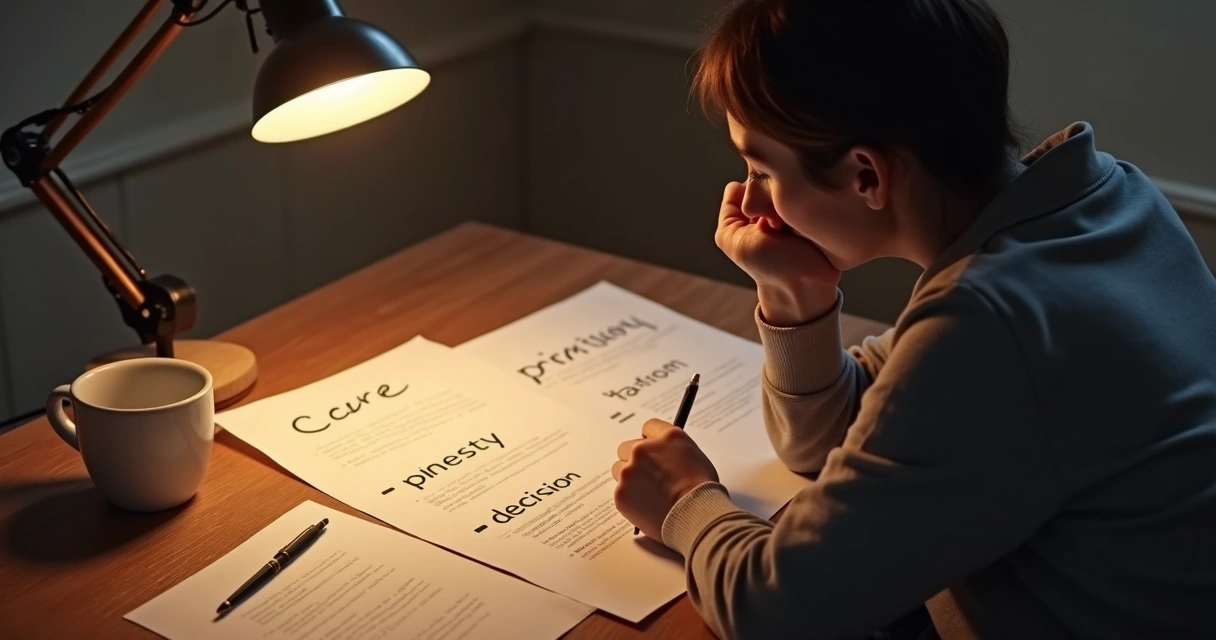
We have found that returning to core priorities breaks through the fog of stress.
5. Choose a small, clear next step
The last step is to act—gently and deliberately. Now that you have paused, named your state, seen your patterns, and clarified your values, choose one realistic action.
This step does not need to be grand. Often, it’s best to keep it simple:
- State your need, or ask a direct question
- Request a pause before making a decision
- Write a short note summarizing your thoughts
Action, when chosen with awareness, reconnects us to agency—even in tough situations. It brings our inner clarity into the world, strengthening a sense of integrity and presence.
“A small, honest step changes the experience of stress itself.”
Conclusion: Living with conscious awareness under stress
We know life rarely gives us time to prepare for stressful choices. Yet, with practice, these five steps become available even in the busiest moments. By pausing, naming, spotting our patterns, clarifying what matters, and acting from awareness, we bring more coherence and responsibility into our lives.
Stressful moments do not have to take over our decisions. With practice, we can turn them into opportunities to grow, align with our values, and respond in healthy, clear ways. This approach is not about denying feelings or avoiding reality—it is about taking ownership of each moment, so we can move forward with more presence and wisdom.
Frequently asked questions
What is conscious decision-making under stress?
Conscious decision-making under stress is the process of making choices with full awareness, even when strong emotions or pressures are present. It means taking a moment to connect with what you truly feel and value, instead of acting from habit or fear. The goal is to respond rather than react, staying connected to what matters most.
How can I stay calm under stress?
We suggest starting with a pause and grounding technique, such as slow breathing or focusing on physical sensations. Even a brief moment of attention can help regulate your emotions and clear mental noise. Over time, these habits make it easier to remain steady, even in intense situations.
What are the 5 steps to decide?
The five steps are: 1) Pause and ground yourself, 2) Name what you feel and what’s happening, 3) Identify your immediate patterns and impulses, 4) Clarify what matters most right now, and 5) Choose a small, clear next step. Each step builds on the previous one to help regain clarity and make aligned choices.
Is it worth practicing these steps daily?
Yes, practicing these steps daily helps build the skill of conscious decision-making, so it becomes more natural even under real pressure. Over time, you may notice shifts in how you respond to stress, and in the quality of your decisions.
Can conscious decisions reduce stress overall?
Conscious decisions do not always remove stress, but they can change your relationship to it. When you make choices from awareness and value, you foster a sense of agency and coherence, which often leads to less anxiety and greater resilience in the face of challenges.